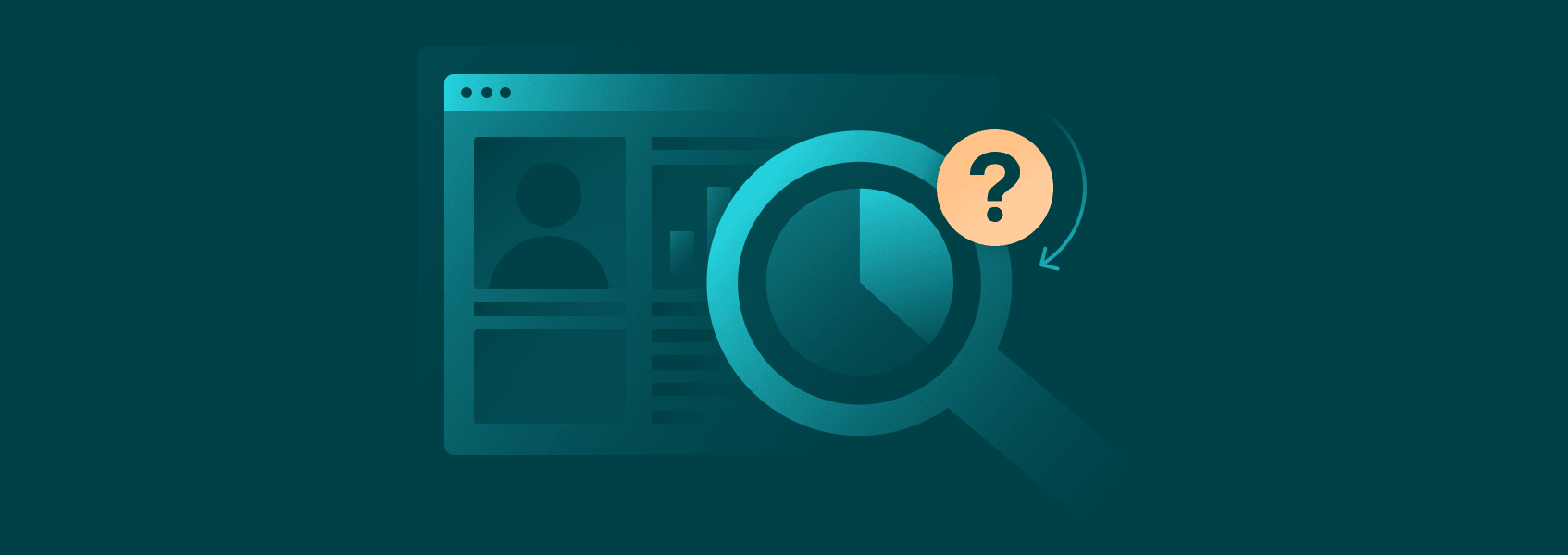
Screen scraping has been a vital data gathering technique for decades, but it remains mysterious to many. In this ultimate guide, we‘ll demystify screen scraping from top to bottom. You‘ll learn exactly what it is, how it differs from other methods, and the tools and techniques you need to succeed with screen scraping today. Let‘s dive in!
What is Screen Scraping? A Detailed Definition
At its core, screen scraping is the practice of extracting data from a visual interface, like a desktop application or even a text terminal. Rather than parsing underlying source code, screen scrapers capture what‘s shown on screen—much like a human reading the display.
Screen scraping first emerged in the early days of computing when data was often locked in legacy systems with no easy export tools. Users could run terminal scripts to capture the text shown on screen and save it to a file—a primitive but effective form of data liberation.
As graphical user interfaces became the norm, screen scraping evolved to capture visual data components. Modern screen scraping tools can extract text, images, and other elements from virtually any application screen or document format.
Key Applications of Screen Scraping
So what are the main use cases for screen scraping today? According to a recent survey of data professionals, the top applications are:
| Use Case | Percentage |
|---|---|
| Legacy data migration | 35% |
| Competitor price monitoring | 20% |
| Lead generation | 15% |
| Financial data aggregation | 12% |
| Business process automation | 10% |
| Other | 8% |
Source: Data Extraction Trends Report 2023, n=500
As you can see, unlocking data from legacy systems remains the leading driver of screen scraping adoption. Many organizations still rely on outdated databases and enterprise tools where data is trapped with no API or export functionality. Screen scraping provides a lifeline to extract that information into modern formats.
E-commerce companies are also heavy users of screen scraping for competitor monitoring. By scraping pricing and product details from rival websites, sellers can optimize their own offerings and pricing strategies. One study found that 80% of the top 1000 e-commerce sites use web scraping or screen scraping for market research.
In the finance industry, screen scraping powers account aggregation features that give users a unified view of their assets across multiple banks. One aggregator reported that screen scraping accounted for a whopping 95% of their data connectivity in 2021, though APIs are slowly gaining ground.
Screen Scraping vs Web Scraping: What‘s the Difference?
On the surface, screen scraping and web scraping may seem interchangeable—they‘re both methods for automatically extracting data from a source system. But there are key differences in how they work and what they‘re best suited for.
Target Data Sources
The main distinction is the type of data each method targets. Web scraping specifically extracts data from websites and web applications, usually by parsing the underlying HTML code and API responses. It‘s laser-focused on web data.
Screen scraping, on the other hand, captures data from the visual layer of virtually any application—desktop software, terminal screens, PDFs, images, you name it. If data is displayed for human consumption, screen scraping can grab it.
Technique and Tools
Web scraping typically uses HTTP libraries and web drivers to programmatically browse pages and APIs, extracting data via HTML parsing, DOM traversal, CSS selectors, XPaths, regex matching, and JSON parsing. The most popular web scraping libraries are Python-based tools like BeautifulSoup, Scrapy, and Selenium.
Screen scraping often involves OS-level automation—programmatically clicking buttons, entering keystrokes, and copying/OCRing display elements. These behaviors simulate human actions to navigate the interface and retrieve data. Leading screen scraping tools include UiPath, Automation Anywhere, and Dexi.io.
Data Quality and Structure
With web scraping, the extracted data is usually well-structured and easy to parse thanks to the inherent organization of HTML/XML tags and JSON schemas. Web scraping results can often be piped directly into a database or analytics platform.
Screen scraping output is comparatively "messier"—it may be unstructured text blobs, CSVs needing further parsing, or image files requiring additional OCR and formatting. Scrubbing and organizing screen scraping data tends to involve more work.
Reliability and Accuracy
Web scrapers are generally more resilient to changes in the target website, since the underlying HTML structure tends to be more stable than the visual presentation. Thoughtful scrapers can often update their code to handle site changes with minimal intervention.
Screen scrapers, by contrast, are more brittle—if the target interface changes its layout or adds new elements, the scraper‘s button clicks and field entries may fail or capture incorrect data. Screen scraping often requires more ongoing maintenance.
Legal and Ethical Considerations
Both web scraping and screen scraping can run afoul of the law if practiced irresponsibly. Scrapers must be careful not to overload servers with requests, abide by robots.txt restrictions, and avoid scraping copyrighted content or non-public personal data.
Screen scraping can carry additional compliance risks depending on the nature of the target system. Scraping non-public application screens may violate terms of service. And screen scrapers‘ reliance on mimicking human behavior blurs the line on obtaining informed consent.
Ultimately, web scraping and screen scraping are complementary tools in the data extraction toolbox. The choice depends on the specific data sources and use case at hand.
How Screen Scraping Works: Key Techniques Explained
Screen scraping is a broad umbrella covering several specific data capture techniques. Understanding these techniques is key to choosing the right approach and tools for your project.
1. Basic Text Scraping
The simplest form of screen scraping, basic text scraping, copies any text content from the target screen—no matter the underlying structure. It captures both visible text and underlying elements like input field values and metadata.
This makes basic text scraping fast and easy to configure, but it may grab more content than needed. Text scrapers work well for legacy terminal applications where data has minimal structure. Leading text scraping tools include Dexi.io and FMiner.
2. Native Application Scraping
Native application scraping uses OS-level APIs and libraries to extract data from specific desktop software. The scraper integrates closely with the target program, accessing its visual elements and simulating user actions like clicking and typing.
This allows for highly targeted data extraction—grabbers can be tailored to the unique screens and flows of each application. Native scrapers only work with a single app, but they support seamless automation of legacy enterprise software.
RPA platforms like UiPath, Automation Anywhere, and Blue Prism have become the go-to tools for native app scraping, with visual interfaces for configuring application flows without deep coding expertise.
3. Optical Character Recognition (OCR) Scraping
OCR has become synonymous with screen scraping for many users. Rather than interfacing with apps directly, OCR tools analyze the pixels of an image file or screenshot and attempt to recognize any text characters present.
This is an extremely versatile approach—if information is displayed visually, whether in a scanned document, application screen, or website image, OCR can digitize it. Advanced OCR engines can recognize dozens of languages, parse document layouts, and even convert handwritten text.
There are countless OCR tools on the market, from simple browser extensions to enterprise-grade APIs. Top OCR providers include Google Cloud Vision, ABBYY, and Amazon Textract.
4. Computer Vision Scraping
The bleeding edge of screen scraping uses AI-powered computer vision to recognize and extract all kinds of visual data—not just text. Computer vision can identify specific objects, faces, logos, and other elements in images and videos.
This opens powerful possibilities for scraping rich media content. For instance, an e-commerce company could use computer vision to automatically tag and categorize product images from supplier catalogs. Or a media monitoring service could screen-scrape news videos to track logo placements and brand mentions.
As with OCR, there are many computer vision tools available across the complexity spectrum. Cloud AI services like Google Cloud Vision and Amazon Rekognition offer pre-trained models for common tasks. For more customization, frameworks like OpenCV and TensorFlow allow training custom vision models.
Best Practices for Effective and Compliant Screen Scraping
Like any power tool, screen scraping must be wielded carefully. Poor scraping practices can get you banned by your target systems, or even land you in legal trouble. Follow these tips for safe and successful screen scraping.
1. Respect robots.txt
Many websites and applications have a robots.txt file in their root directory that specifies the rules for bots and scrapers. It may disallow scraping of certain pages or content types. While not legally binding, honoring robots.txt is an important sign of good faith.
2. Don‘t overload servers
Screen scraping can be resource-intensive for the target system, especially if you‘re scraping at high volumes. Limit your request rate and concurrent sessions to avoid bogging down servers. If you‘re causing performance issues, back off.
3. Use proxies
Sending all your screen scraping requests from a single IP is a surefire way to get blocked. Using proxy servers to rotate your requests across many IPs and geolocations will make your scraping much harder to detect and prevent.
Residential proxy networks like Smartproxy and Bright Data are ideal for screen scraping, as they source IP addresses tied to real user devices for maximum legitimacy.
4. Randomize timing and user agents
To further mask your screen scraping traffic, add random delays between requests to avoid suspiciously regular patterns. Rotate through multiple user agent strings in your request headers to simulate different device types, browsers, and OSes.
5. Don‘t scrape sensitive personal data
Scraping public data is generally allowed, but collecting personal information comes with much higher compliance burdens. To stay on the right side of GDPR, CCPA, and other privacy laws, avoid capturing names, contact details, account numbers, and other PII unless you have clear consent.
6. Display your privacy policy
If you do collect any personal data via screen scraping, transparent disclosure is a must. Your site or app‘s privacy policy should explain exactly what data you scrape, how you process and store it, and how users can access, correct, or delete their information.
7. Keep detailed records
Screen scraping can be a sensitive legal area, so careful recordkeeping is key. Document the technical details of your scrapers, the data you collect, any consent received, and your compliance steps. If any disputes arise, having full documentation will put you on firmer ground.
The Future of Screen Scraping: Trends and Predictions
So where is screen scraping headed in the coming years? Here are some key trends and developments to watch:
Increased Adoption of Hybrid Models
While screen scraping is often positioned as a rival to techniques like web scraping and APIs, the future will likely involve more hybridization than competition. Pragmatic data pipelines will combine visual scraping, HTML parsing, and direct API integrations to get the most complete and efficient data retrieval.
We‘re already seeing this with web scraping tools adding visual scraping capabilities to handle dynamic page content. Expect further convergence of scraping techniques into versatile, multi-pronged platforms.
More Focus on Legacy System Migration
With many organizations finally prioritizing the modernization of legacy databases and software, demand for migration-focused screen scraping will likely surge in the near term. Intuitive screen scraping GUIs and RPA-scraper integrations will become key to unlocking legacy data at scale.
Advances in Computer Vision
As computer vision AI continues to mature, expect screen scraping tools to get much smarter at recognizing and structuring visual data. Intelligent OCR, object detection, and image classification will allow screen scrapers to capture rich context along with raw text and pixels.
This will vastly expand the range of content that can be meaningfully scraped, from social media images to video frames to scanned document archives. The more visual data becomes machine-readable, the more valuable screen scraping will become.
Stricter Compliance Standards
With privacy regulations like GDPR and CCPA hitting their stride, organizations will face mounting pressure to tighten their screen scraping practices. Expect more formal process documentation, impact assessments, and accountability measures around all forms of data scraping.
We may even see the emergence of scraping-specific compliance frameworks and certifications to help organizations stay on the right side of the law. Demonstrating responsible and compliant scraping will become table stakes for enterprise data efforts.
Conclusion
We‘ve covered a lot of ground in this ultimate guide to screen scraping. To recap, screen scraping is a powerful technique for extracting data from visual interfaces like application screens, documents, and images. It‘s particularly valuable for unlocking legacy system data and digitizing unstructured content.
While often overshadowed by web scraping and API integrations, screen scraping plays an essential role in many data pipelines. By understanding the key techniques, tools, and compliance issues around screen scraping, data professionals can wield it effectively and responsibly.
The future of screen scraping is bright, with advancing AI capabilities and hybrid approaches expanding its reach and power. But with that power comes a responsibility to use screen scraping ethically and legally, with respect for data owners and subjects.
Whether you‘re just getting started with screen scraping or looking to optimize your existing setup, the tips and best practices in this guide will help you succeed. Here‘s to a new age of visual data capture!