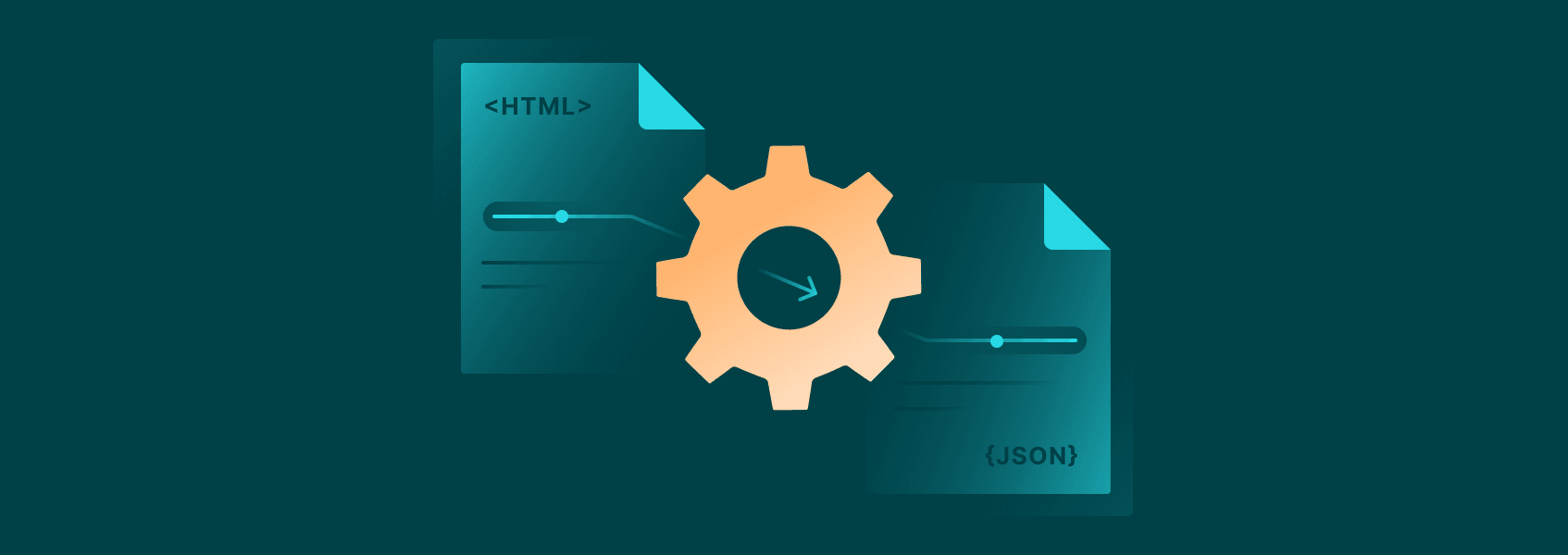
In today‘s data-driven world, the ability to extract valuable information from various sources and formats is crucial. This is where data parsing comes into play. Data parsing is the process of converting data from one format to another, making it more structured and easier to analyze. As we move forward into 2024, understanding the intricacies of data parsing is becoming increasingly important for businesses and individuals alike.
The Fundamentals of Data Parsing
At its core, data parsing involves taking data stored in one format, such as HTML or XML, and transforming it into a more structured format like JSON or CSV. This process often involves removing unnecessary information, such as HTML tags, to make the data more suitable for analysis. The end goal is to have data in a format that can be easily imported into databases or used with analytical tools.
Data parsing typically involves four key stages:
-
Input: The data parsing process begins with an input file containing data in a format that is difficult to work with or analyze.
-
Lexical Analysis: The data parser goes through the input file and breaks it down into smaller units called tokens. These tokens can be words, numbers, or even individual characters, depending on the data format.
-
Syntax Analysis: The parser then analyzes the structure of the input file, taking into account the rules and conventions of the specific format. This step helps the parser understand how the data is organized and how to extract the relevant information.
-
Building the Data Structure: Using the information gathered from the lexical and syntax analysis, the parser constructs a new data structure that aligns with the desired output format.
While data parsing is a powerful tool, it does come with challenges. One of the main limitations is that data parsers are often highly specific to the input file and source. For example, two websites using HTML may have very different coding structures, requiring separate parsing solutions. This specificity makes it difficult to create a one-size-fits-all parser.
Techniques for Data Parsing
There are two main approaches to data parsing: rule-based parsing and machine learning-based parsing.
Rule-based parsing relies on predefined rules and patterns to extract data. This approach works well when the input data follows a consistent structure and format. Rule-based parsers are often faster and more straightforward to implement compared to machine learning-based parsers.
On the other hand, machine learning-based parsing utilizes algorithms that learn from examples to identify and extract relevant information. This approach is particularly useful when dealing with unstructured or semi-structured data, such as images or text with variations in layout or formatting. Machine learning-based parsers, such as those using optical character recognition (OCR), can adapt to different data sources and handle variations more effectively than rule-based parsers.
Tools and Libraries for Data Parsing
Fortunately, most programming languages offer libraries and tools that simplify the data parsing process. For example, Python has popular libraries like Beautiful Soup 4 for parsing HTML and XML files, and pandas for data manipulation and output.
Regular expressions (regex) can also be used for data parsing, but they can quickly become complex and difficult to maintain, especially when dealing with HTML or XML files. In such cases, using dedicated parsing libraries is often more efficient and manageable.
For image-based data parsing, OCR libraries like pytesseract (Python) or Tesseract (multiple languages) can be used to extract text from images. These libraries leverage machine learning algorithms to recognize characters and convert them into machine-readable text.
Data Parsing in Web Scraping
Data parsing plays a crucial role in web scraping projects, where the goal is to extract data from websites. Web scraping often involves dealing with unstructured data in various formats, making data parsing an essential step in the process.
However, web scraping presents its own set of challenges for data parsing. Websites may frequently change their layout or have inconsistencies across different pages, requiring parsers to be adaptable and regularly maintained. Large-scale e-commerce platforms, with their dynamic and complex structures, can be particularly challenging to parse.
To overcome these challenges, it‘s important to follow best practices when implementing data parsing in web scraping projects:
-
Use robust parsing libraries: Choose well-maintained and widely-used parsing libraries that can handle the intricacies of the target website‘s structure.
-
Regularly update and maintain parsers: Keep your parsing code up to date to accommodate changes in the website‘s layout or structure.
-
Implement error handling: Include mechanisms to gracefully handle parsing errors and exceptions, ensuring the scraping process can continue even if some data cannot be parsed.
-
Utilize proxy services: Proxy services can help you avoid IP blocks and access geographically restricted content, enhancing the reliability and efficiency of your data parsing and web scraping efforts.
The Role of Proxy Services in Data Parsing
Proxy services play a vital role in data parsing and web scraping by providing a layer of anonymity and enabling access to a wider range of data sources. By routing requests through a proxy server, you can hide your IP address and avoid being blocked or restricted by websites.
When choosing a proxy service for data parsing, consider factors such as reliability, speed, geo-targeting capabilities, and compatibility with your parsing tools. Some of the top proxy services for data parsing as of 2024 include:
- Bright Data
- IPRoyal
- Proxy-Seller
- SOAX
- Smartproxy
- Proxy-Cheap
- HydraProxy
Each proxy service offers unique features and pricing models, so it‘s essential to evaluate your specific needs and budget when making a choice.
Future Trends in Data Parsing
As we move into the future, data parsing techniques and tools will continue to evolve. Machine learning and artificial intelligence will play an increasingly significant role in data parsing, enabling more accurate and efficient extraction of information from unstructured data sources.
Emerging data formats, such as those used in IoT devices or blockchain technologies, will present new challenges and opportunities for data parsing. Staying up to date with the latest trends, techniques, and tools will be crucial for businesses and individuals looking to harness the power of data.
Conclusion
Data parsing is a critical process in today‘s data-driven landscape, enabling businesses and individuals to extract valuable insights from diverse data sources. By understanding the fundamentals of data parsing, exploring different techniques, and leveraging the right tools and libraries, you can unlock the full potential of your data.
As we progress into 2024 and beyond, the importance of data parsing will only continue to grow. Embracing best practices, staying informed about the latest trends, and adapting to new challenges will be key to success in this ever-evolving field.
Frequently Asked Questions
Q: What is the difference between data parsing and data extraction?
A: Data extraction involves retrieving data from a source, while data parsing focuses on transforming the extracted data into a more structured and usable format.
Q: Can data parsing be fully automated?
A: While data parsing can be automated to a large extent using tools and libraries, some level of human intervention may still be required, especially when dealing with complex or frequently changing data sources.
Q: How do I choose the right data parsing technique for my project?
A: The choice between rule-based and machine learning-based parsing depends on the nature of your data, the consistency of its structure, and the level of adaptability required. Rule-based parsing works well for consistent, structured data, while machine learning-based parsing is better suited for unstructured or variable data.
Q: What skills do I need to be proficient in data parsing?
A: To excel in data parsing, you should have a strong understanding of programming concepts, familiarity with parsing libraries and tools, and knowledge of data structures and formats. Additionally, problem-solving skills and attention to detail are essential for handling the challenges that come with data parsing.
As you embark on your data parsing journey, remember that practice and continuous learning are key. Stay curious, explore new techniques, and don‘t hesitate to seek guidance from the vibrant data parsing community. With the right tools and mindset, you‘ll be well-equipped to tackle the exciting world of data parsing in 2024 and beyond.