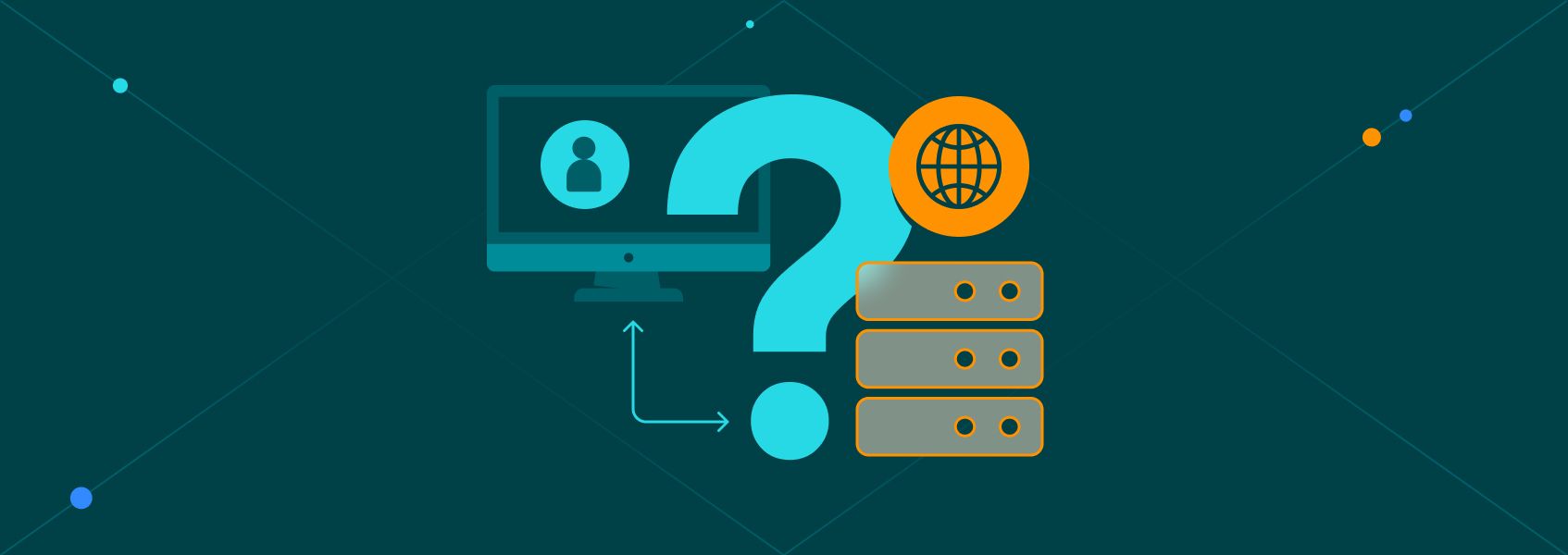
In today‘s digital age, online privacy and security have become increasingly important. With websites and apps constantly tracking our online activities, many people are seeking effective ways to protect their digital footprint. One of the most reliable solutions is using a proxy server.
Understanding Proxy Servers
A proxy server acts as a gateway between your device and the internet. It serves as an intermediary, forwarding your requests to the desired web server and then relaying the response back to you. During this process, the proxy server masks your original IP address and location, making it appear as if the requests are coming from the proxy server itself.
Think of a proxy server as a middleman that handles your online transactions. When you connect to the internet through a proxy, your device sends requests to the proxy server, which then forwards them to the destination website on your behalf. The website‘s response is sent back to the proxy, which then relays it to your device.

By using a proxy server, you can browse the web anonymously and access content that might otherwise be restricted based on your geographical location. Proxy servers offer a wide range of benefits for both individual users and businesses, making them an essential tool for anyone looking to protect their online privacy and security.
Types of Proxy Servers
Proxy servers can be categorized into two main types based on the direction of traffic flow: forward proxies and reverse proxies.
Forward Proxies
A forward proxy is the most common type of proxy server. It sits between your device and the internet, forwarding your requests to the desired web server. When you send a request through a forward proxy, it first reaches the proxy server, which then retrieves the requested resource on your behalf and sends it back to you.
Forward proxies are commonly used for anonymous browsing, bypassing geo-restrictions, and web scraping. They can be further classified into two subtypes based on their origin:
-
Residential Proxies: These proxies are sourced from real residential devices, such as laptops, smartphones, and tablets, used by genuine users. The IP addresses of residential proxies are issued by Internet Service Providers (ISPs), making them highly trustworthy and less likely to be detected or blocked.
-
Datacenter Proxies: Unlike residential proxies, datacenter proxies are not associated with real users or ISPs. They are created and hosted in data centers, offering faster speeds but lower IP reputation compared to residential proxies. Datacenter proxies are suitable for tasks that require high-speed connections.
Reverse Proxies
In contrast to forward proxies, reverse proxies sit in front of web servers and protect their identity. They handle incoming requests from clients on behalf of the web server, acting as a shield between the server and the internet.
Reverse proxies are commonly used for caching, load balancing, and enhancing the security of web servers. They can distribute incoming traffic across multiple servers, optimize content delivery, and filter out malicious requests.

By employing reverse proxies, websites and applications can handle high traffic loads, improve performance, and enhance security measures without exposing the underlying server infrastructure.
Benefits of Using Proxy Servers
Proxy servers offer a wide range of benefits for both individual users and businesses. Let‘s explore some of the key advantages:
Enhanced Online Privacy and Anonymity
One of the primary reasons people use proxy servers is to protect their online privacy. By masking your real IP address and location, proxies make it difficult for websites, advertisers, and other third parties to track your online activities. This is particularly important for individuals who value their privacy and want to maintain anonymity while browsing the web.
Businesses, journalists, researchers, and activists can also benefit from the enhanced privacy provided by proxy servers. It allows them to conduct online research, access information, and communicate securely without revealing their true identity or location.
Bypassing Geo-Restrictions and Censorship
Geo-blocking is a common practice used by content providers, websites, and services to restrict access based on the user‘s geographical location. This can be frustrating when you want to access content that is only available in specific regions.
Proxy servers can help you overcome these geo-restrictions by allowing you to connect to the internet through a server located in a different country. By using a proxy with an IP address from the desired location, you can trick websites into thinking you are accessing from that region, enabling you to bypass geo-blocking and access the content you want.
Additionally, proxy servers can be useful for circumventing internet censorship imposed by governments or network administrators. By routing your traffic through a proxy server located in a country with less restrictive internet policies, you can access websites and services that might otherwise be blocked.
Improved Online Security
In today‘s digital landscape, online security threats are becoming increasingly sophisticated. Businesses, in particular, are at risk of cyberattacks, data breaches, and other malicious activities that can result in significant financial losses and reputational damage.
Proxy servers can act as an additional layer of security, protecting your devices and networks from potential threats. By acting as an intermediary between your device and the internet, proxies can filter out malicious traffic, block access to suspicious websites, and prevent unauthorized access to your network.
Moreover, proxy servers can be configured to encrypt your internet traffic, making it more difficult for hackers to intercept and steal sensitive information. This is especially important when using public Wi-Fi networks, which are often unsecured and vulnerable to attacks.
Efficient Web Scraping and Data Gathering
Web scraping is the process of extracting data from websites automatically using specialized software or tools. It is commonly used by businesses for various purposes, such as market research, price monitoring, lead generation, and competitive analysis.
However, websites often implement measures to detect and block web scraping activities, limiting the amount of data that can be collected from a single IP address. This is where proxy servers come in handy.
By using a pool of proxy servers with different IP addresses, you can distribute your web scraping requests across multiple servers, making it appear as if the requests are coming from different sources. This helps avoid IP-based blocking and allows you to gather data more efficiently and effectively.
Proxy servers can also help you navigate through CAPTCHAs, rate limits, and other anti-scraping measures implemented by websites, ensuring a smooth and uninterrupted web scraping process.
SEO Monitoring and Research
Search Engine Optimization (SEO) is crucial for businesses looking to improve their online visibility and drive organic traffic to their websites. However, monitoring SEO performance and conducting keyword research can be challenging, as search results may vary based on the user‘s location and other factors.
Proxy servers enable businesses to perform accurate and reliable SEO monitoring and research by allowing them to simulate searches from different locations and devices. By using proxies with IP addresses from various regions, you can get a more comprehensive view of your SEO performance and identify opportunities for improvement.
Additionally, proxy servers can help you monitor your competitors‘ SEO strategies, analyze their backlink profiles, and gather valuable insights to refine your own SEO techniques.
Improved Network Performance and Bandwidth Savings
Proxy servers can significantly improve network performance and save bandwidth by caching frequently accessed content. When multiple users on a network request the same resource, the proxy server can store a copy of that resource and serve it directly from its cache, eliminating the need to retrieve it from the original server repeatedly.
This caching mechanism reduces the amount of data transferred over the network, resulting in faster page load times and improved overall performance. It is particularly beneficial for businesses with large networks, as it optimizes bandwidth usage and minimizes the strain on the network infrastructure.
Furthermore, proxy servers can compress data before sending it to the client, further reducing the amount of bandwidth consumed. This optimization technique is especially useful for users with limited bandwidth or slow internet connections.
Access Control and Website Filtering
Proxy servers offer an effective way to control and filter internet access within an organization. By configuring the proxy server to block specific websites or categories of content, businesses can prevent employees from accessing inappropriate or distracting websites during work hours.
This access control feature helps maintain productivity, protect company resources, and ensure compliance with corporate policies. Network administrators can easily define and enforce access rules based on various criteria, such as URL patterns, keywords, or content categories.
Moreover, proxy servers can help protect users from accessing malicious websites that may contain malware, phishing scams, or other security threats. By blocking access to known malicious sites, proxy servers act as a first line of defense against potential cyber attacks.
Choosing the Right Proxy Server
While proxy servers offer numerous benefits, it‘s crucial to choose a reliable and trustworthy proxy provider. Free proxy servers may seem tempting, but they often come with significant risks and limitations.
Free proxies are usually slow, unreliable, and may even compromise your privacy and security. They may log your online activities, inject ads into your browsing experience, or even steal your personal information. Additionally, free proxies are often shared among multiple users, making them more susceptible to IP blocking and slowdowns.
To ensure the best performance, security, and reliability, it‘s recommended to use premium proxy servers from reputable providers. Look for providers that offer a wide range of proxy types (residential, datacenter, mobile), have a large pool of IP addresses, and provide dedicated customer support.
As of 2024, some of the top proxy service providers include:
- Bright Data
- IPRoyal
- Proxy-Seller
- SOAX
- Smartproxy
- Proxy-Cheap
- HydraProxy
These providers offer high-quality proxy solutions tailored to various use cases, ensuring optimal performance and reliability for your specific needs.
Frequently Asked Questions
Q: Is it legal to use proxy servers?
A: Using proxy servers is generally legal, as long as you are not engaging in any illegal activities. However, the legality of using proxies may vary depending on your country‘s laws and regulations. It‘s important to be aware of the specific rules and guidelines in your jurisdiction.
Q: Can proxy servers guarantee complete anonymity?
A: While proxy servers can significantly enhance your online privacy and anonymity, they cannot guarantee complete anonymity. Your internet service provider (ISP) and the proxy server itself may still have access to your online activities. For the highest level of anonymity, you may want to consider using a VPN (Virtual Private Network) in combination with a proxy server.
Q: How do I set up a proxy server?
A: The process of setting up a proxy server varies depending on your device, operating system, and the specific proxy service you are using. Most reputable proxy providers offer detailed instructions and support to help you configure your device to use their proxy servers. Some providers even offer browser extensions or dedicated apps for easy setup and management.
Q: Can I use a proxy server for streaming content?
A: Yes, proxy servers can be used for streaming content that may be geo-restricted or blocked in your region. By connecting to a proxy server located in a country where the desired content is available, you can bypass these restrictions and access the streaming services you want. However, keep in mind that streaming quality may be affected by the proxy server‘s speed and bandwidth.
Q: Are proxy servers compatible with all devices and operating systems?
A: Most proxy servers are compatible with a wide range of devices and operating systems, including Windows, macOS, Linux, iOS, and Android. However, it‘s always a good idea to check with your proxy provider to ensure compatibility with your specific setup. Some providers may offer dedicated apps or browser extensions for certain platforms to enhance user experience and functionality.
Conclusion
Proxy servers are powerful tools that offer a wide range of benefits for both individual users and businesses. By acting as intermediaries between your device and the internet, proxy servers enhance online privacy, bypass geo-restrictions, improve security, enable efficient web scraping, facilitate SEO monitoring, and optimize network performance.
When choosing a proxy server, it‘s crucial to opt for a reliable and reputable provider that offers high-quality proxies, a large pool of IP addresses, and dedicated customer support. Premium proxy servers may come at a cost, but they ensure the best performance, security, and reliability for your specific needs.
As we continue to navigate the ever-evolving digital landscape, proxy servers will remain an essential tool for anyone looking to protect their online privacy, access global content, and conduct business efficiently and securely.