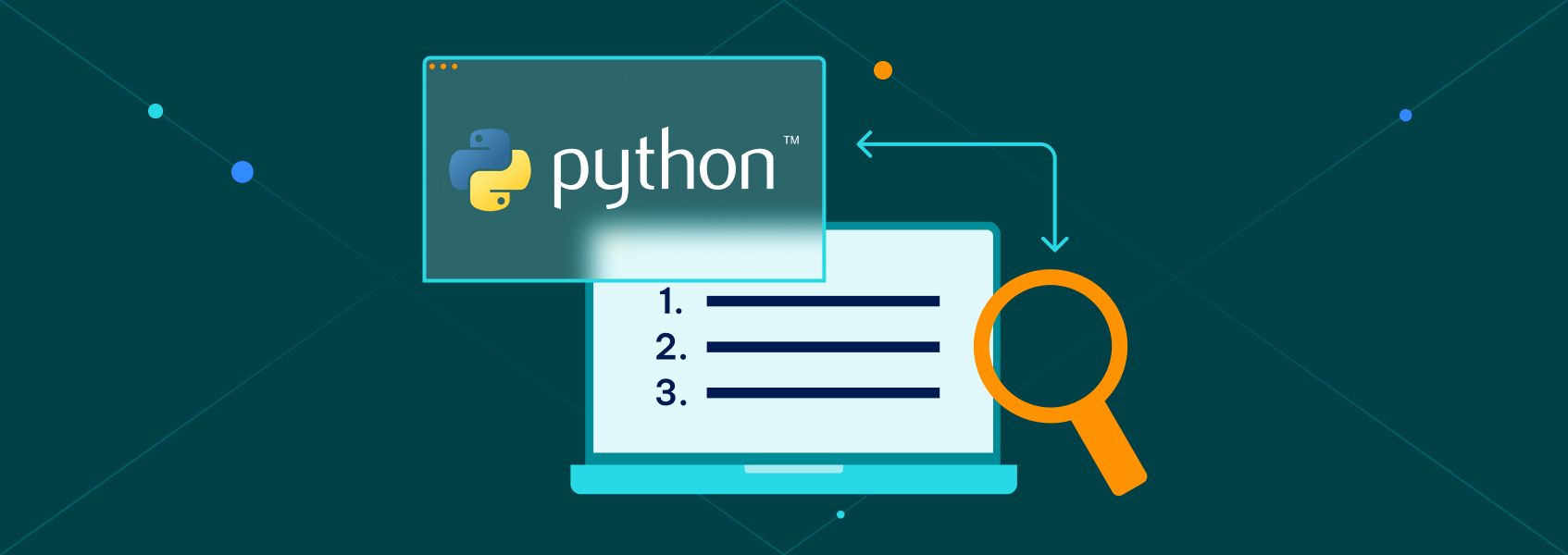
In today‘s data-driven world, web scraping has become an essential skill for developers, data scientists, and businesses alike. Python, with its simplicity and powerful libraries, has emerged as the go-to language for web scraping tasks. In this comprehensive guide, we‘ll walk you through the process of web scraping using Python, with a special focus on utilizing proxies to enhance your scraping capabilities.
Why Web Scraping Matters
Web scraping is the process of extracting data from websites automatically. It allows you to gather valuable information at scale, saving time and effort compared to manual data collection. Some common use cases for web scraping include:
- Price monitoring and comparison
- Market research and competitor analysis
- Lead generation and sales prospecting
- Social media sentiment analysis
- Real estate and job listings aggregation
As businesses increasingly rely on data-driven decision-making, the demand for web scraping skills continues to grow.
Python: The Ultimate Web Scraping Language
Python has gained immense popularity among web scrapers due to several key advantages:
- Easy to learn and use, even for beginners
- Extensive library ecosystem for web scraping (requests, BeautifulSoup, Scrapy, etc.)
- Versatility in handling different types of websites and data formats
- Strong community support and abundant learning resources
With Python, you can quickly prototype and build robust web scraping solutions, making it the preferred choice for most scraping projects.
Setting Up Your Python Web Scraping Environment
To get started with Python web scraping, you‘ll need to set up your development environment:
- Install Python (version 3.6 or above) from the official website (https://www.python.org)
- Set up a virtual environment to keep your project dependencies isolated
- Install the necessary libraries using pip:
- requests: for making HTTP requests to websites
- BeautifulSoup: for parsing HTML and extracting data
- lxml: a fast HTML and XML parser
You can install these libraries by running the following commands:
pip install requests
pip install beautifulsoup4
pip install lxml
Fetching and Parsing HTML Content
The first step in web scraping is to fetch the HTML content of the target web page. You can achieve this using the requests library:
import requests

url = ‘https://example.com‘
response = requests.get(url)
html_content = response.text
Once you have the HTML content, you can parse it using BeautifulSoup to extract the desired data:
from bs4 import BeautifulSoup

soup = BeautifulSoup(html_content, ‘lxml‘)
BeautifulSoup provides a convenient way to navigate and search the HTML tree using various methods like find(), find_all(), and CSS selectors.
Navigating and Extracting Data with BeautifulSoup
With BeautifulSoup, you can easily navigate the parsed HTML and extract specific elements and attributes. Here are a few common techniques:
-
Finding elements by tag name:
titles = soup.find_all(‘h2‘) -
Finding elements by CSS class:
prices = soup.find_all(class_=‘price‘) -
Finding elements by ID:
main_content = soup.find(id=‘main-content‘) -
Extracting text and attributes:
for title in titles:
    text = title.text
    link = title.find(‘a‘)[‘href‘]
By combining these techniques, you can extract the desired data from the HTML structure and store it in suitable data structures like lists or dictionaries.
Handling Pagination and Scraping Multiple Pages
Often, the data you want to scrape spans across multiple pages. To scrape all the relevant data, you need to handle pagination and navigate through the pages. Here‘s a general approach:
- Identify the pagination pattern (e.g., "Next" button, page numbers)
- Extract the URL or parameters for the next page
- Iterate through the pages until a termination condition is met
Here‘s an example of scraping multiple pages using a "Next" button:
url = ‘https://example.com/page/1‘

while True:
    response = requests.get(url)
    soup = BeautifulSoup(response.text, ‘lxml‘)

    # Extract and process data from the current page

    next_button = soup.find(‘a‘, class_=‘next-page‘)
    if next_button:
        url = next_button[‘href‘]
    else:
        break
By incorporating pagination handling, you can ensure that your scraper captures all the relevant data across multiple pages.
Importance of Using Proxies in Web Scraping
When scraping websites, it‘s essential to use proxies to avoid detection and potential blocking. Proxies act as intermediaries between your scraper and the target website, masking your IP address and making your requests appear as if they originate from different sources.
Using proxies offers several benefits:
- Avoiding IP blocking and CAPTCHAs
- Distributing the scraping load across multiple IPs
- Bypassing geographical restrictions
- Improving scraping speed and efficiency
Top Proxy Services for Web Scraping
To leverage the power of proxies in your web scraping projects, you can use one of the following top proxy services:
- Bright Data (formerly Luminati): Offers a wide range of residential and data center proxies with global coverage.
- IPRoyal: Provides high-quality residential and data center proxies at competitive prices.
- Proxy-Seller: Offers fast and reliable proxy solutions for web scraping and other online tasks.
- SOAX: Delivers a diverse pool of residential and mobile proxies with advanced features.
- Smartproxy: Provides a user-friendly interface and a large proxy network for seamless scraping.
- Proxy-Cheap: Offers affordable proxy packages suitable for small-scale scraping projects.
- HydraProxy: Delivers reliable and secure proxies with 24/7 customer support.
These proxy services offer different pricing plans, features, and proxy types, allowing you to choose the best fit for your scraping needs and budget.
Integrating Proxies into Your Python Web Scraping Code
To integrate proxies into your Python web scraping code, you can use the requests library‘s proxy support. Here‘s an example of how to make a request using a proxy:
import requests

proxy = {
    ‘http‘: ‘http://username:[email protected]:port‘,
    ‘https‘: ‘http://username:[email protected]:port‘
}

response = requests.get(‘https://example.com‘, proxies=proxy)
Replace username, password, host, and port with the appropriate values provided by your chosen proxy service.
Best Practices for Avoiding Detection and Blocking
To minimize the risk of detection and blocking while scraping, follow these best practices:
- Use a pool of rotating proxies to distribute requests across different IPs
- Implement random delays between requests to mimic human browsing behavior
- Set appropriate user agent headers to simulate different browsers and devices
- Respect website robots.txt and terms of service
- Avoid aggressive scraping that can overload the target server
- Monitor your scraping activity and adapt your approach as needed
By adhering to these best practices, you can ensure a more reliable and sustainable web scraping process.
Handling Common Web Scraping Challenges
Web scraping comes with its own set of challenges, such as CAPTCHAs, JavaScript rendering, and dynamic content loading. Here are some strategies to handle these challenges:
-
CAPTCHAs:
- Use CAPTCHA solving services like 2captcha or Anti-CAPTCHA
- Implement CAPTCHA recognition algorithms using libraries like OpenCV and PyTesseract
- Explore alternative data sources or APIs that don‘t require CAPTCHAs
-
JavaScript rendering:
- Use headless browsers like Puppeteer or Selenium to render JavaScript-heavy pages
- Analyze XHR requests and APIs to extract data directly from the server
-
Dynamic content loading:
- Implement scrolling and waiting mechanisms to load additional content
- Utilize browser automation tools like Selenium to interact with the page and trigger content loading
By addressing these challenges, you can build more robust and effective web scraping solutions.
Analyzing and Visualizing Scraped Data
Once you‘ve scraped the desired data, the next step is to analyze and visualize it to gain valuable insights. Python offers a wide range of libraries for data analysis and visualization, such as:
- Pandas: A powerful data manipulation library for structured data
- Matplotlib: A plotting library for creating static, animated, and interactive visualizations
- Seaborn: A statistical data visualization library based on Matplotlib
- Plotly: A library for creating interactive and publication-quality graphs
By leveraging these libraries, you can transform the scraped data into meaningful insights and communicate your findings effectively.
Legal and Ethical Considerations in Web Scraping
Web scraping comes with legal and ethical responsibilities. It‘s crucial to consider the following:
- Review and comply with the target website‘s terms of service and robots.txt
- Respect intellectual property rights and copyrights
- Use the scraped data responsibly and avoid any harmful or malicious activities
- Be mindful of the impact of your scraping on the target website‘s server resources
- Obtain explicit permission if scraping sensitive or personal information
By operating within legal and ethical boundaries, you can ensure a responsible and sustainable web scraping practice.
Advanced Topics and Tools
As you progress in your web scraping journey, you may want to explore more advanced topics and tools:
- Scrapy: A powerful and flexible web scraping framework for building scalable crawlers
- Selenium: A browser automation tool for interacting with web pages and extracting data
- Django and Flask: Web frameworks for building scraping-powered applications and APIs
- Machine Learning and Natural Language Processing (NLP): Techniques for extracting insights from unstructured data
- Cloud Platforms: Deploying and scaling web scraping solutions using services like AWS, Google Cloud, or Microsoft Azure
By delving into these advanced topics and tools, you can take your web scraping skills to the next level and tackle more complex projects.
Conclusion and Future Trends
Web scraping with Python is a powerful skill that opens up a world of possibilities for data extraction and analysis. By mastering the techniques covered in this guide and utilizing proxies effectively, you can build robust and efficient web scraping solutions.
As we look towards the future, web scraping is poised to evolve with emerging trends such as:
- Artificial Intelligence and Machine Learning integration for intelligent data extraction
- Increased focus on data quality and validation
- Real-time and streaming data scraping for up-to-date insights
- Adoption of headless browsers and browser automation for dynamic websites
- Integration with data pipelines and storage systems for end-to-end data processing
By staying updated with these trends and continuously expanding your web scraping knowledge, you can position yourself at the forefront of the data revolution.
Remember, with great power comes great responsibility. Use your web scraping skills ethically, respect website policies, and always prioritize data privacy and security.
Happy scraping!