In today‘s rapidly evolving digital era, data has become the lifeblood of organizations and individuals alike. As we generate, collect, and interact with vast amounts of information, the concepts of data security and data privacy have taken center stage. While often used interchangeably, these two terms represent distinct aspects of data protection. In this article, we will dive deep into the intricacies of data security and data privacy, exploring their overlaps, differences, and the critical role they play in safeguarding our digital lives.
Understanding the Fundamentals: Defining Data Security and Data Privacy
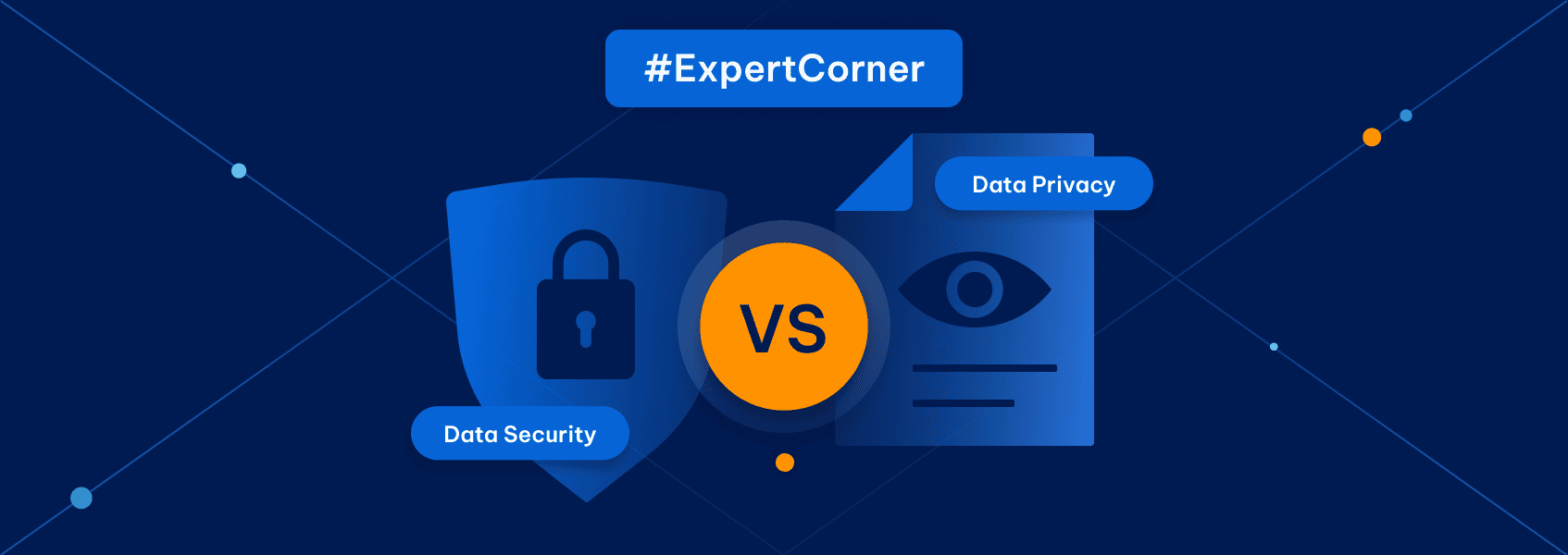
To grasp the nuances of data security and data privacy, it‘s essential to establish a clear understanding of each concept. Data security refers to the protective measures and technologies implemented to prevent unauthorized access, corruption, or theft of data. It focuses on maintaining the confidentiality, integrity, and availability of information, ensuring that only authorized individuals can access and modify data.
On the other hand, data privacy is concerned with the proper handling, use, and dissemination of personal information. It encompasses the rights of individuals to control how their data is collected, used, and shared. Data privacy goes beyond safeguarding information from external threats; it also addresses the ethical and legal obligations of organizations to respect and protect the privacy of individuals whose data they possess.
The Intertwined Relationship: Overlaps Between Data Security and Data Privacy
While data security and data privacy serve distinct purposes, they are not mutually exclusive. In fact, there are several key areas where these two concepts intersect and reinforce each other:
-
Shared Commitment to Safeguarding Data: At the core of both data security and data privacy lies a fundamental dedication to protecting sensitive information. Data security measures, such as encryption, access controls, and network monitoring, form the foundation upon which data privacy can be built. Without robust security practices in place, the privacy of individuals‘ data would be at risk.
-
Joint Compliance with Legal Standards: Data security and data privacy are both subject to a growing body of legal and regulatory requirements. Frameworks like the General Data Protection Regulation (GDPR) and the California Consumer Privacy Act (CCPA) mandate strict security measures and provide individuals with rights over their personal data. Organizations must navigate the complex landscape of compliance, ensuring that their security practices align with privacy regulations.
-
Unified Approach to Risk Management: Effective data protection requires a holistic approach to risk management. Data security and data privacy teams must work hand in hand to identify, assess, and mitigate potential threats and vulnerabilities. By conducting thorough risk assessments and implementing comprehensive security and privacy policies, organizations can proactively address data-related risks.
-
Necessity of Collaboration: Achieving data security and privacy goals demands collaboration across various departments within an organization. IT, legal, compliance, and privacy teams must work together to develop and implement strategies that strike the right balance between protecting data and respecting individuals‘ rights. This interdisciplinary approach ensures that security measures are privacy-centric and that privacy policies are technologically feasible.
The Distinct Roles: Differences Between Data Security and Data Privacy
Despite their intertwined nature, data security and data privacy also have notable differences that set them apart:
-
Protective Approach vs. End Goal: Data security serves as the means to an end, establishing the necessary safeguards to prevent unauthorized access and breaches. It focuses on the technical and operational aspects of protecting data. In contrast, data privacy represents the end goal, determining how data should be handled, used, and shared in accordance with ethical and legal obligations.
-
Handling Data Breaches: While data security proactively works to prevent breaches from occurring, data privacy comes into play when a breach does happen. Privacy teams are responsible for assessing the impact of a breach, notifying affected individuals, and taking steps to mitigate the consequences. They ensure that the organization‘s response aligns with privacy regulations and best practices.
-
Balancing External and Internal Focus: Data security primarily focuses on protecting against external threats, such as hackers, malware, and phishing attacks. It aims to fortify the organization‘s defenses and prevent unauthorized access from outside entities. Data privacy, on the other hand, extends its focus internally, ensuring that data is handled responsibly within the organization. It addresses issues like employee access controls, data minimization, and the proper disposal of personal information.
-
Attitudes Towards Data Ownership: Data security measures are implemented to safeguard data regardless of who owns it. The primary concern is protecting the data itself from unauthorized access or tampering. In contrast, data privacy emphasizes the rights of individuals over their personal information. It recognizes that individuals have the right to control how their data is collected, used, and shared, and places a strong emphasis on obtaining consent and respecting individual preferences.
Staying Ahead of the Curve: Latest Trends and Developments
As technology advances and new threats emerge, the landscape of data security and privacy continues to evolve. Here are some of the latest trends and developments shaping the field:
-
Adoption of Zero Trust Security: Many organizations are embracing the zero trust security model, which operates on the principle of "never trust, always verify." This approach involves continuously authenticating and authorizing users and devices, even after initial access has been granted. By implementing granular access controls and real-time monitoring, zero trust security enhances both data security and privacy.
-
Rise of Cloud-Based Solutions: The rapid adoption of cloud computing has transformed the way organizations store, process, and manage data. While cloud-based solutions offer scalability and flexibility, they also introduce new security and privacy challenges. Organizations must carefully assess the security measures and privacy practices of their cloud providers to ensure the protection of sensitive data.
-
Impact of Regulations: Regulations like GDPR and CCPA have had a profound impact on data security and privacy practices worldwide. These regulations impose strict requirements for data protection, consent management, and individual rights. Organizations must navigate the complex regulatory landscape and ensure compliance to avoid hefty fines and reputational damage.
-
Role of Proxy Services: Proxy services have become increasingly important in the realm of data security and privacy. Top providers like Bright Data, IPRoyal, Proxy-Seller, SOAX, Smartproxy, Proxy-Cheap, and HydraProxy offer secure and reliable solutions for anonymizing online activities, protecting against web scraping, and ensuring data privacy. By utilizing these services, organizations can enhance their security posture and safeguard sensitive information.
Best Practices for Enhancing Data Security and Privacy
To navigate the complex landscape of data security and privacy, organizations and individuals can adopt several best practices:
-
Implement Strong Access Controls: Ensure that access to sensitive data is granted only to authorized individuals based on the principle of least privilege. Regularly review and update access permissions to maintain tight control over who can access and modify data.
-
Encrypt Sensitive Data: Implement robust encryption measures to protect data both at rest and in transit. Encryption renders data unreadable to unauthorized parties, safeguarding it from theft or interception.
-
Conduct Regular Security Assessments: Perform periodic security assessments to identify vulnerabilities, assess the effectiveness of existing controls, and prioritize remediation efforts. Regular assessments help organizations stay proactive in the face of evolving threats.
-
Provide Employee Training: Educate employees about data security and privacy best practices. Conduct regular training sessions to raise awareness about phishing attacks, social engineering tactics, and the importance of handling personal information responsibly.
-
Develop Comprehensive Privacy Policies: Establish clear and transparent privacy policies that outline how personal data is collected, used, and shared. Ensure that these policies are easily accessible to individuals and that they provide options for exercising privacy rights.
-
Collaborate with Trusted Partners: When working with third-party vendors or service providers, conduct thorough due diligence to ensure they have robust security and privacy practices in place. Establish contractual agreements that clearly define data protection responsibilities and obligations.
Conclusion
In today‘s data-driven world, striking the right balance between data security and data privacy is more critical than ever. By understanding the overlaps and differences between these two concepts, organizations and individuals can develop comprehensive strategies to safeguard sensitive information and respect individual rights.
As we navigate the digital landscape, it‘s essential to stay informed about the latest trends, regulations, and best practices in data security and privacy. By adopting a proactive and collaborative approach, we can create a safer, more secure, and accountable digital environment for all.
Remember, data protection is a shared responsibility. By working together and prioritizing both security and privacy, we can unlock the full potential of data while ensuring the trust and confidence of those whose information we hold.