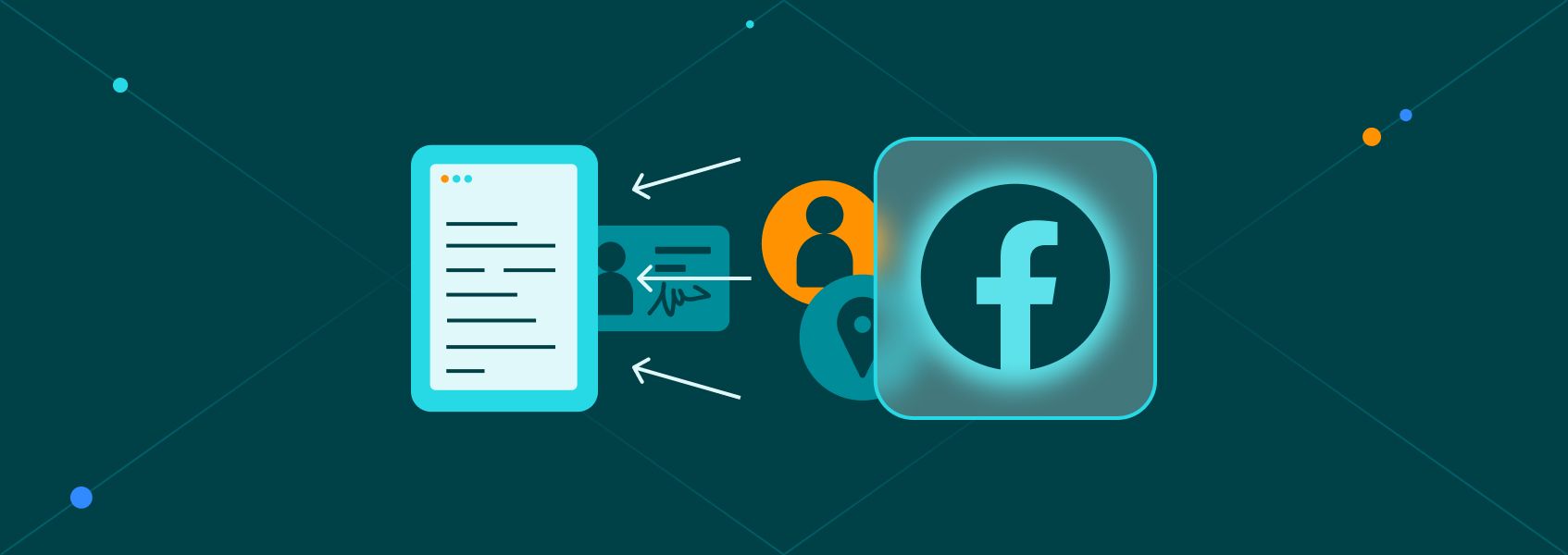
Web scraping, the automated extraction of data from websites, has become an invaluable tool for businesses and individuals looking to collect large amounts of information quickly and efficiently. Two of the most popular targets for web scraping are Facebook, with its treasure trove of user-generated content and Marketplace listings, and Amazon, the e-commerce giant.
In this guide, we‘ll walk through how to build your own web scrapers for Facebook Marketplace and Amazon product listings. Even if you have limited coding experience, by the end you‘ll be able to create scrapers to extract the exact data points you need at scale. Let‘s get started!
Is Web Scraping Legal?
Before we dive in, it‘s important to cover the legality and ethics of web scraping. In general, scraping publicly available web data is legal, as long as you aren‘t breaking laws like copyright infringement or violating a site‘s terms of service. It‘s also considered good etiquette to not overload servers with requests and to respect any robots.txt files.
For Facebook and Amazon specifically, some scraping is allowed but both have anti-bot protections in place. Facebook allows scraping of public page content but not personal user data. Amazon is known to be more protective and frequently updates its site to deter bots. Using techniques we‘ll cover like proxies and request throttling can help you scrape these sites responsibly.
Scraping Tools and Libraries
There are a number of popular tools and libraries for web scraping, depending on your programming language of choice:
Python: BeautifulSoup, Scrapy, Selenium
JavaScript: Puppeteer, Cheerio, Nightmare
Ruby: Nokogiri, Kimurai
PHP: Goutte, PHPCrawl
For our Facebook and Amazon scrapers, we‘ll be using Python and the requests library for making HTTP requests, and BeautifulSoup for parsing the HTML responses. We‘ll also use the pandas library for saving our scraped data to a CSV file.
Here are the libraries you‘ll need to install:
pip install requests

pip install beautifulsoup4

pip install pandas
Building a Facebook Marketplace Scraper
Our Facebook Marketplace scraper will extract key data points from listing pages like the item name, price, seller location, and description. Here‘s a step-by-step breakdown:
-
Send a GET request to a Marketplace search results URL, like https://www.facebook.com/marketplace/seattle/search/?query=mountain%20bike. You can change the city and search query to match what you want to scrape.
-
Parse the HTML response using BeautifulSoup and locate the listing elements. Facebook uses
elements with a "data-testid" attribute for listings.
listing_elems = soup.find_all(‘div‘, attrs={‘data-testid‘: ‘marketplace_home_feed_item‘})
- Loop through each listing element and extract the desired data points. The item name and price are contained in tags, while the location and description are in separate
tags.
for listing in listing_elems:

itemname = listing.find(‘span‘, class=‘a8c37x1j ni8dbmo4 stjgntxs l9j0dhe7‘).text

item_price = listing.find(‘span‘, attrs={‘data-testid‘: ‘marketplace_feed_item_price‘}).text

itemlocation = listing.find(‘div‘, class=‘rq0escxv j83agx80 g3eujd1d‘).text

itemdesc = listing.find(‘div‘, class=‘ii04i59q‘).text
- Store the extracted data in a pandas DataFrame and then save to a CSV file.
data = {‘Name‘: item_names, ‘Price‘: item_prices, ‘Location‘: item_locations, ‘Description‘: item_descs}df = pd.DataFrame(data)
df.to_csv(‘facebook_marketplace_data.csv‘, index=False)
And there you have it, a basic Facebook Marketplace scraper! You can further customize it by extracting other data points like the listing URL to visit individual listing pages, or scraping the images.
Building an Amazon Product Scraper
Our Amazon product scraper will be similar, extracting data like the product name, price, rating, and availability for a given search query. The process will look like:
-
Send a GET request to an Amazon search results page URL, passing in your query, like https://www.amazon.com/s?k=fish+oil+supplements.
-
Parse the HTML to locate the product elements. Amazon uses
elements with a "data-component-type" attribute set to "s-search-result".
product_elems = soup.find_all(‘div‘, attrs={‘data-component-type‘: ‘s-search-result‘})
- Extract the desired info from each product element. The name is in an
tag, rating in an tag, price in a with class "a-price-whole", and availability in a
with id "availability".
for product in product_elems:

product_name = product.find(‘h2‘).text.strip()

productrating = product.find(‘i‘, class=‘a-icon-star‘).text.split(‘ ‘)[0]
productprice = product.find(‘span‘, class=‘a-price-whole‘).text

product_avail = product.find(‘div‘, id=‘availability‘).find(‘span‘).text.strip()
- Just like with the Facebook scraper, save the data to a CSV using pandas.
data = {‘Name‘: product_names, ‘Price‘: product_prices, ‘Rating‘: product_ratings, ‘Availability‘: product_avails}df = pd.DataFrame(data)
df.to_csv(‘amazon_product_data.csv‘, index=False)
With a few tweaks to the search URL and data extraction, you can adapt this scraper to collect pricing data, reviews, and other info for any type of Amazon product.
Avoiding IP Bans When Scraping
When scraping any website, especially ones like Facebook and Amazon, it‘s important to take precautions to avoid having your IP address banned. Some tips:
- Limit the speed of your requests to mimic human behavior. Add random delays between requests.
- Rotate your IP address using proxies. Services like Bright Data and IPRoyal offer proxy pools that automatically switch your IP.
- Use a headless browser like Puppeteer to scrape client-side rendered content and better avoid detection.
- Respect robots.txt files and don‘t scrape any restricted pages or content.
Scaling Your Scrapers
The sample code we walked through is a great starting point, but to really make the most of web scraping you‘ll want to scale things up to collect as much data as you need. Some ideas:
- Set up your scrapers to run automatically on a schedule using a tool like cron or GitHub Actions.
- Scrape multiple listing pages or search results concurrently using multithreading in Python.
- Store your data in a database like MySQL to handle large datasets and enable further analysis.
- Integrate data quality checks to ensure you aren‘t collecting duplicate or irrelevant data points.
Using Scraped Data
So you‘ve built your scrapers and collected a bunch of data – now what? Here are some ideas for how to put your data to use:
- Monitor competitor prices on Amazon and other e-commerce sites to inform your own pricing strategy
- Analyze trends and popularity of Facebook Marketplace listing categories to spot new business opportunities
- Aggregate review data to understand common praises and complaints about products
- Identify popular search terms and keywords to optimize your own product listings and ad campaigns
The applications for web scraped data are endless – it‘s all about finding creative ways to gain insights and drive smarter business decisions.
Conclusion
Web scraping Facebook Marketplace and Amazon can provide you with valuable data to help your business or satisfy your curiosity. Using Python libraries like BeautifulSoup and requests makes it easy to get started with building your own scrapers, even if you‘re new to coding.
As you scale up your data collection, be sure to follow best practices like rate limiting your requests, using proxies, and storing your data securely. With responsible scraping and creative analysis, you can unlock powerful insights from these popular web platforms.
The key things to remember:
- Web scraping is legal if done ethically and responsibly
- Use tools like BeautifulSoup and requests in Python for easier scraping
- Extract key data points from Facebook Marketplace listings and Amazon products
- Avoid IP bans by limiting requests, using proxies, and respecting robots.txt
- Scale your scrapers to collect more data and run on a set schedule
- Find creative ways to analyze and put your scraped data to use
Happy scraping!
- Extract the desired info from each product element. The name is in an
- Loop through each listing element and extract the desired data points. The item name and price are contained in tags, while the location and description are in separate